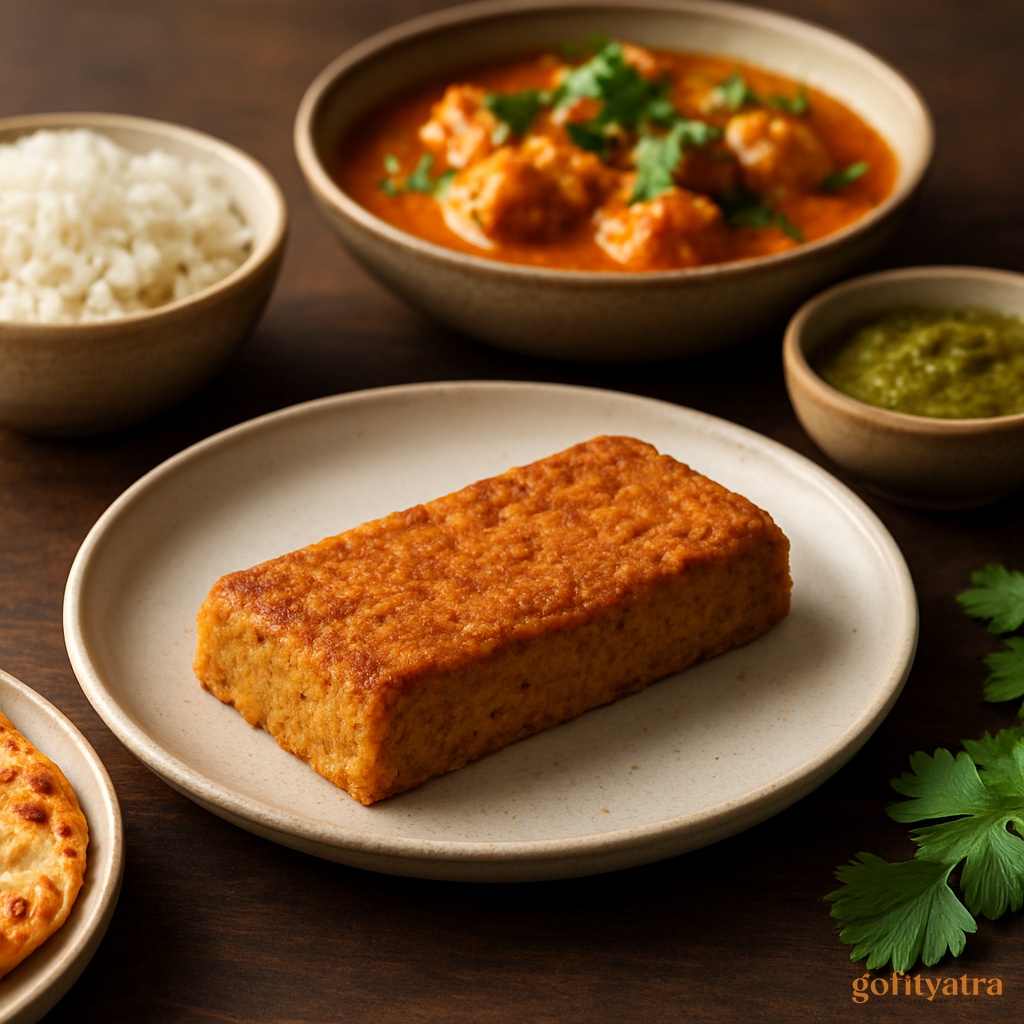
Protein Bar (homemade or GF Store-bought)
- Protein
- 8 g per serving
- Prep
- 10 min
- Resting
- 2 hr
- Cook
- 5 min
- Total time
- 2 hr 15 min
- Serving size
- Serves 1
Quick answer
Protein Bar (homemade or GF Store-bought) is a gluten_free snack made with rolled oat, peanut butter and honey. It is baked. It takes about 15 minutes to make, plus 2 hours of resting. One serving (1 piece protein bar) has about 250 kcal and 8 g protein.
1 piece protein bar. One serving is 1 piece protein bar (about 60 g).
Nutrition snapshot
🍽 Per serving · 60 gValues are estimates per serving, shown for awareness. Actual nutrition varies with ingredient brands, portion size and cooking style.
Tap each ingredient to check it off as you prep.
🧺 Ingredients
- 1 cup rolled oats
- 1/2 cup peanut butter
- 1/4 cup honey
- 1/4 cup chopped nuts (almonds, walnuts)
- 2 tbsp chocolate chips (optional)
- 2 tbsp coconut flakes (optional)
- Salt, a pinch
👣 Cooking steps
Take it step by step. No rush.
- 1
In a mixing bowl, combine rolled oats, peanut butter, honey, and a pinch of salt.
- 2
Add chopped nuts and mix well until all ingredients are combined.
- 3
If using, fold in chocolate chips and coconut flakes.
- 4
Line a square baking dish with parchment paper and press the mixture evenly into the dish.
- 5
Refrigerate for at least 1-2 hours until firm.
- 6
Once set, cut into bars of desired size (about 60 grams each).
- 7
Store in an airtight container in the refrigerator.
Questions people ask
How many calories are in one serving of Protein Bar (homemade or GF Store-bought)?
About 250 kcal, with 8 g protein, 30 g carbs and 12 g fat.
How long does Protein Bar (homemade or GF Store-bought) take to make?
About 2 hours 15 minutes in all: 2 hours of resting, 10 minutes to prepare and 5 minutes to cook.
Is Protein Bar (homemade or GF Store-bought) vegetarian?
Yes. It has no meat, fish or eggs; it does have honey.
What do I need to make Protein Bar (homemade or GF Store-bought)?
Mainly rolled oat, peanut butter and honey. The full list with quantities is below.
More recipes like this
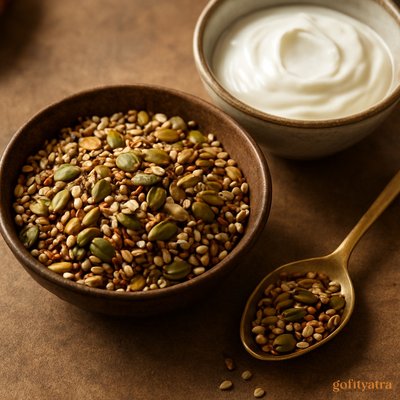 Greek Yogurt with Mixed SeedsVegetarian · 250 kcal · 15 min
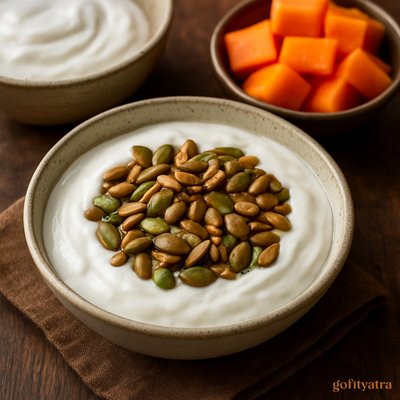 Lactose-free Curd Bowl with Roasted Seeds and PapayaVegetarian · 210 kcal · 15 min
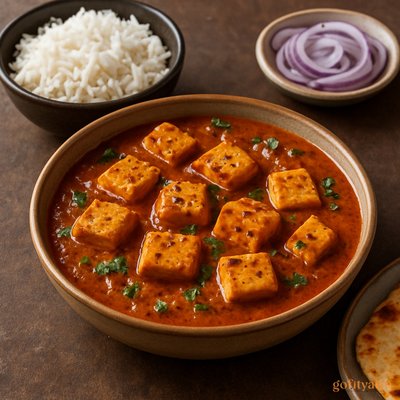 Cottage Cheese (Paneer) Cubes with PepperVegetarian · 250 kcal · 20 min
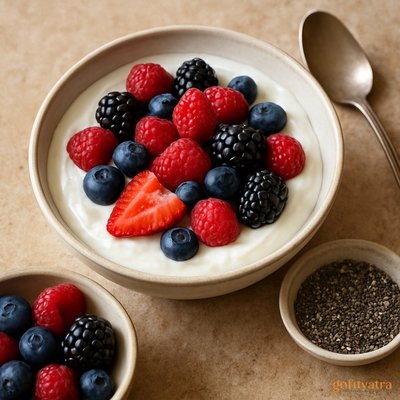 Greek-style High-protein Yogurt Bowl with Fruit & SeedsVegetarian · 300 kcal · 15 min
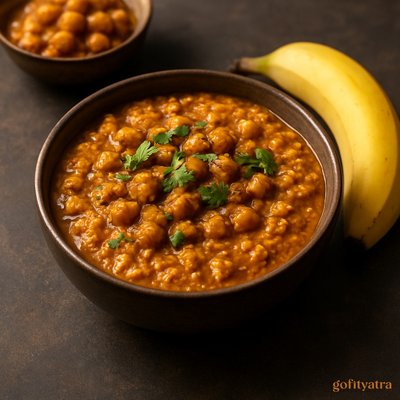 Masala Chickpea Oats Porridge with BananaVegan · 350 kcal · 50 min
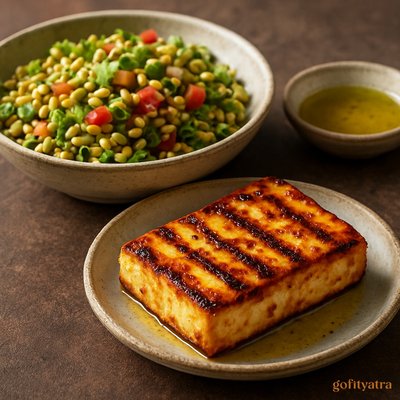 Moong Sprout Salad with Olive Oil and Grilled PaneerVegetarian · 320 kcal · 20 min
Read next
- Processed Food and Side Effects: A Practical Indian Guide to Better Food ChoicesProcessed foods are not all the same, but frequent reliance on highly processed and ultra-processed foods can make a balanced diet harder to maintain. This guide explains what processed food means, common side effects associated with diets high in ultra-processed foods, why these foods can become easy to overeat, how they fit into Indian eating patterns, and practical ways to build a more balanced routine without banning familiar foods.
- Beyond Calorie Counting: Why Indian Nutrition Needs Contextual IntelligenceCalories matter, but they cannot explain the full complexity of Indian eating habits. From religious fasting and festival meals to vegetarian and non-vegetarian days, food allergies, personal dislikes, regional cuisines and family traditions, effective Indian nutrition requires more than calorie calculations. Explore how GoFitYatra uses contextual intelligence, 65+ regional cuisine choices, adaptive meal planning and personalized nutrition systems to make healthy eating practical, culturally relevant and sustainable for Indian lifestyles.
- How to Track Indian Homemade Food Without Weighing Everything: A Practical Guide to Portion Control and Calorie AwarenessTracking homemade Indian food does not require weighing every roti, measuring every spoon of dal, or calculating the calories in every bite. Learn how to estimate portions using your hands, katoris, serving spoons, everyday utensils, and visual food references. This comprehensive guide explains how to track roti, rice, dal, sabzi, paneer, curd, cooking oil, homemade snacks, and complete Indian thalis without making nutrition tracking stressful. Discover practical portion estimation methods, calorie awareness strategies, protein tracking techniques, regional food examples, and sustainable habits that help you manage weight and improve nutrition while continuing to eat normal homemade Indian meals.
Turn this into your full GoFitYatra plan
Get recipes planned around your goal, diet and cuisine, in your language, with a weekly grocery list with exact portions.
Get GoFitYatraFree to start.
General wellness information, not medical advice.