Goal Hub

Weight Loss
for Indian lifestyles

A practical weight-loss hub for Indians focused on calorie balance, protein, movement, strength, sleep, and consistency.

📚 20 Guides🧰 4 Tools✓ Evidence-informed
Goal Overview

What is this?

Weight loss works best when a calorie deficit is paired with enough protein, movement, strength training, sleep, and food choices you can repeat.

Sustainable weight loss comes from a moderate calorie deficit, often 300 to 500 kcal a day, combined with enough protein, regular movement, strength training and good sleep. A realistic pace is roughly 0.25 to 0.75 kg a week; faster targets usually increase hunger, muscle loss and the chance of regaining weight.

These guides show how to lose weight on familiar Indian food: portioning roti and rice, high-protein breakfasts, handling festivals and eating out, and staying active without a gym. Use the calorie calculator and fitness journey planner to set targets you can keep.

Who is this for?

Best fit

People who want fat loss without crash diets, extreme restriction, or giving up familiar Indian foods.

All Guides

Guides for weight loss

31 min readWeight Loss

Processed Food and Side Effects: A Practical Indian Guide to Better Food Choices

Processed foods are not all the same, but frequent reliance on highly processed and ultra-processed foods can make a balanced diet harder to maintain. This guide explains what processed food means, common side effects associated with diets high in ultra-processed foods, why these foods can become easy to overeat, how they fit into Indian eating patterns, and practical ways to build a more balanced routine without banning familiar foods.

Read guide →

33 min readWeight Loss

Fasting for Better Health: Benefits, What to Eat During Fasting, and a Safe Indian Guide

Fasting can be a meaningful part of Indian food culture and, when practiced appropriately, may help simplify eating, improve awareness of meal patterns, and support weight and metabolic health for some people. However, fasting is not automatically healthy, and the foods chosen during fasting matter. This practical Indian guide explains different types of fasting, potential benefits and limitations, what to eat during fasting, how to build balanced vrat meals, common mistakes, hydration, protein and fiber considerations, regional food options, Ayurveda-informed practices, and how to fit fasting into sustainable health goals.

Read guide →
10 Indian Household Chores That Burn More Calories Than You Think
15 min readWeight Loss

10 Indian Household Chores That Burn More Calories Than You Think

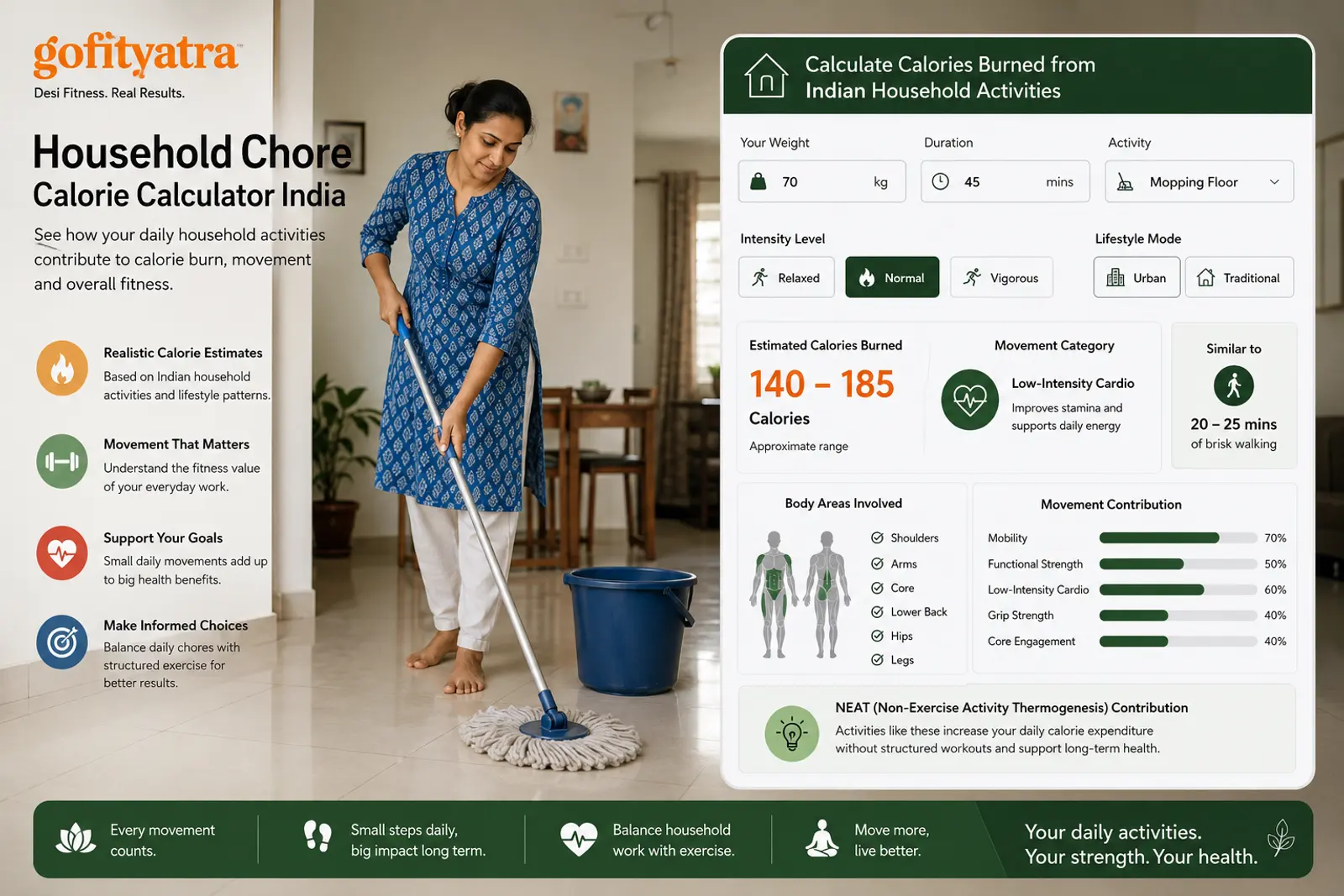
Many Indian household chores involve far more movement, muscle engagement, and calorie burn than people realize. Activities like jhadu, pocha, hand-washing clothes, cooking, stair climbing, gardening, and market shopping contribute to daily energy expenditure through NEAT or non-exercise activity thermogenesis. This guide explains how common Indian household activities support mobility, calorie burn, posture, and metabolic health while offering practical ways to integrate more movement into busy lifestyles.

Read guide →
The Indian Stress Loop: Chai, Cigarettes, Sleep Loss and Belly Fat
17 min readWeight Loss

The Indian Stress Loop: Chai, Cigarettes, Sleep Loss and Belly Fat

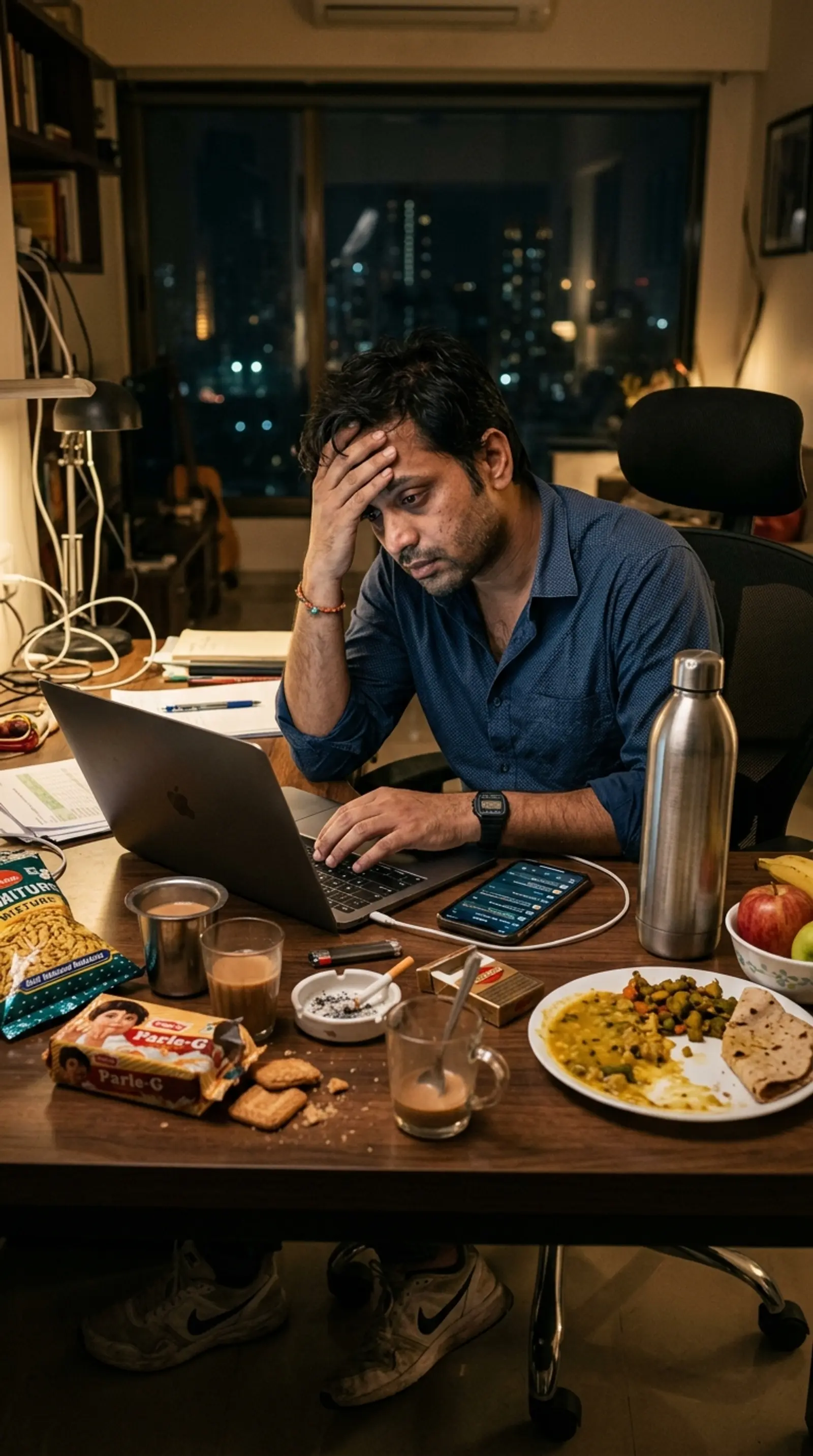
Many Indian professionals live inside a hidden stress loop driven by excessive chai, smoking, poor sleep, irregular eating, emotional snacking, and chronic stress. This guide explains how these habits interact with cortisol, appetite, insulin resistance, recovery, and belly fat accumulation in Indian lifestyles. Learn the science behind stress-related weight gain, practical Indian nutrition strategies, sustainable recovery systems, sleep improvement, healthier chai routines, and realistic ways to break the cycle without extreme dieting.

Read guide →
16 min readWeight Loss

Why So Many Indians Feel Like Smoking After Meals - and What It Is Actually Doing to Digestion, Blood Sugar, Stress and Belly Fat

Many Indians experience strong cigarette cravings after meals, especially after chai, heavy lunches, social dinners, or stressful office breaks. While smoking may feel calming or digestion-supportive in the moment, nicotine affects digestion, insulin sensitivity, stress hormones, appetite regulation, sleep, and belly fat in ways most people do not fully understand. This comprehensive guide explains the science behind post-meal smoking cravings, the cultural patterns driving the habit in India, the connection between smoking and metabolic health, and practical sustainable strategies to break the cycle without extreme restriction or guilt.

Read guide →
Recommended Tools

Calculate, estimate, and plan

Recommended Recipes

Recipe categories for weight loss

Workout Guides

Training and movement

10 Indian Household Chores That Burn More Calories Than You Think
15 min readWeight Loss

10 Indian Household Chores That Burn More Calories Than You Think

Many Indian household chores involve far more movement, muscle engagement, and calorie burn than people realize. Activities like jhadu, pocha, hand-washing clothes, cooking, stair climbing, gardening, and market shopping contribute to daily energy expenditure through NEAT or non-exercise activity thermogenesis. This guide explains how common Indian household activities support mobility, calorie burn, posture, and metabolic health while offering practical ways to integrate more movement into busy lifestyles.

Read guide →
The Indian Stress Loop: Chai, Cigarettes, Sleep Loss and Belly Fat
17 min readWeight Loss

The Indian Stress Loop: Chai, Cigarettes, Sleep Loss and Belly Fat

Many Indian professionals live inside a hidden stress loop driven by excessive chai, smoking, poor sleep, irregular eating, emotional snacking, and chronic stress. This guide explains how these habits interact with cortisol, appetite, insulin resistance, recovery, and belly fat accumulation in Indian lifestyles. Learn the science behind stress-related weight gain, practical Indian nutrition strategies, sustainable recovery systems, sleep improvement, healthier chai routines, and realistic ways to break the cycle without extreme dieting.

Read guide →
16 min readWeight Loss

Why So Many Indians Feel Like Smoking After Meals - and What It Is Actually Doing to Digestion, Blood Sugar, Stress and Belly Fat

Many Indians experience strong cigarette cravings after meals, especially after chai, heavy lunches, social dinners, or stressful office breaks. While smoking may feel calming or digestion-supportive in the moment, nicotine affects digestion, insulin sensitivity, stress hormones, appetite regulation, sleep, and belly fat in ways most people do not fully understand. This comprehensive guide explains the science behind post-meal smoking cravings, the cultural patterns driving the habit in India, the connection between smoking and metabolic health, and practical sustainable strategies to break the cycle without extreme restriction or guilt.

Read guide →
Related Topics

Learn the principles

Frequently Asked Questions

Weight Loss FAQ

What matters most for weight loss?

A sustainable calorie deficit matters most, supported by adequate protein, regular movement, strength training, sleep, and habits you can maintain long term.

Can I lose weight while eating Indian food?

Yes. Traditional Indian foods like dal, rice, roti, vegetables, paneer, eggs, chicken, and regional meals can all fit into a weight-loss plan when portions and overall calorie intake are appropriate.

Do I need to count calories?

Not always. Some people benefit from tracking calories, while others succeed by improving food quality, protein intake, portions, and consistency.

Should I do cardio or strength training?

Both help. Walking and cardio increase activity, while strength training helps preserve muscle and supports long-term body composition during weight loss.

How much protein should I eat while losing weight?

Higher protein intake often helps preserve lean mass and improve fullness during weight loss. Individual needs depend on body size, activity level, and overall goals.

Download on the App StoreGet it on Google Play