Topic Hub

Recovery guides for Indian fitness and nutrition

Recovery guides covering sleep, soreness, rest days, mobility, stress, and long-term training sustainability.

📚 16 Guides🧰 3 Tools✓ Evidence-informed
What is this?

Topic introduction

Recovery is how the body adapts after training and stress. Good recovery improves consistency, performance, mood, and injury resilience.

Who is this for?

Best fit

People training regularly, beginners with soreness, stressed professionals, and anyone stuck in low-energy cycles.

All Guides

Top guides about recovery

Benefits of Fiber and Sleep: The Complete Indian Guide to Digestion, Recovery, Weight Management, Blood Sugar Control, and Long-Term Wellness
12 min readHealthy Eating

Benefits of Fiber and Sleep: The Complete Indian Guide to Digestion, Recovery, Weight Management, Blood Sugar Control, and Long-Term Wellness

Fiber and sleep are two of the most important yet underestimated pillars of health. Together they influence digestion, gut microbiome health, blood sugar control, appetite regulation, recovery, stress resilience, hormonal balance, heart health, and sustainable weight management. This comprehensive Indian guide explains the science, practical strategies, meal frameworks, lifestyle habits, Ayurveda perspectives, and evidence-informed approaches to improving both fiber intake and sleep quality for long-term wellness.

Read guide →
10 Indian Household Chores That Burn More Calories Than You Think
15 min readWeight Loss

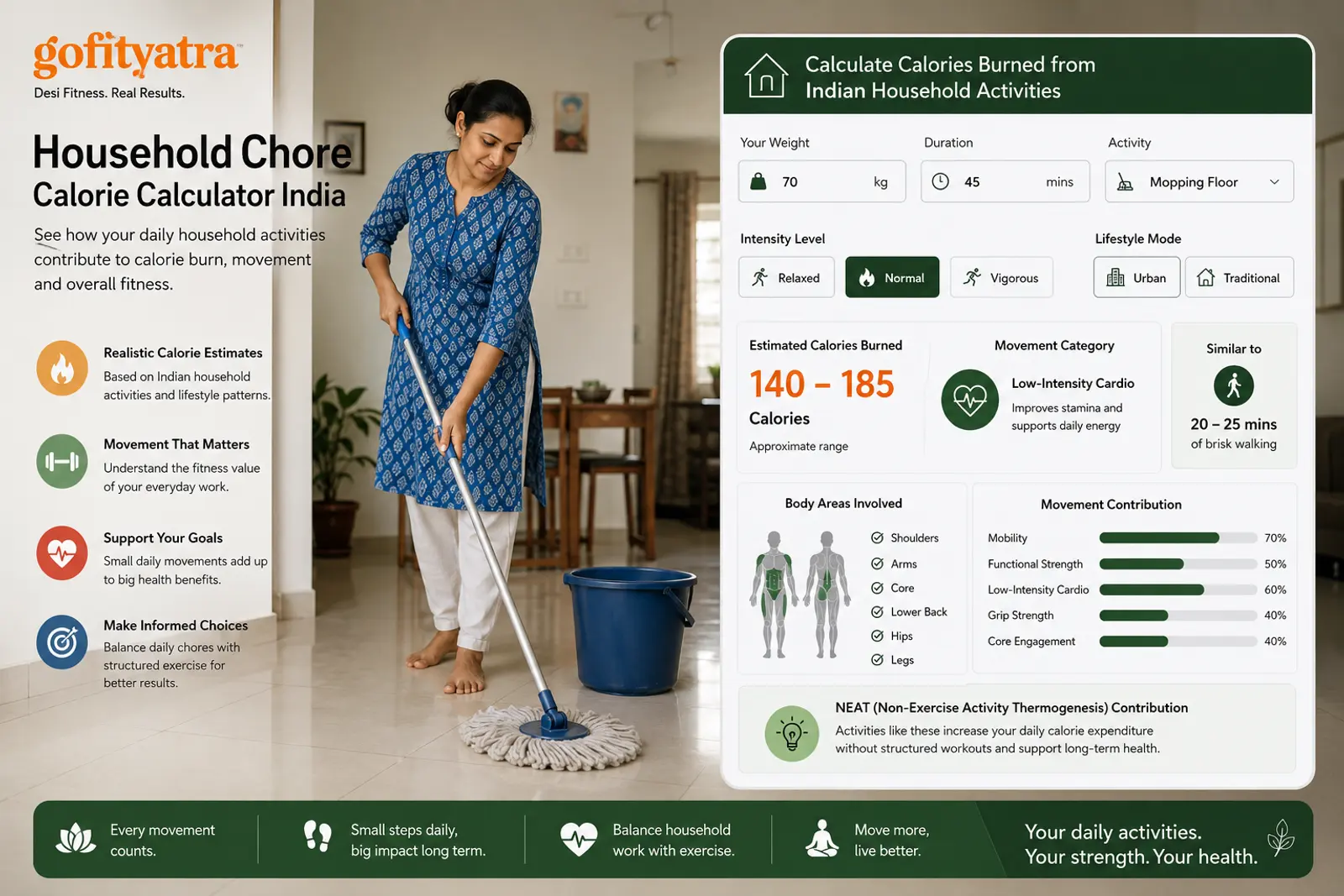
10 Indian Household Chores That Burn More Calories Than You Think

Many Indian household chores involve far more movement, muscle engagement, and calorie burn than people realize. Activities like jhadu, pocha, hand-washing clothes, cooking, stair climbing, gardening, and market shopping contribute to daily energy expenditure through NEAT or non-exercise activity thermogenesis. This guide explains how common Indian household activities support mobility, calorie burn, posture, and metabolic health while offering practical ways to integrate more movement into busy lifestyles.

Read guide →
Why Stress Eating Feels Worse During Hormonal Fluctuations
16 min readHealthy Eating

Why Stress Eating Feels Worse During Hormonal Fluctuations

Stress eating often feels more intense during hormonal fluctuations because appetite, cravings, mood regulation, blood sugar stability, sleep quality, and stress hormones become more sensitive during certain phases of the menstrual cycle and periods of chronic stress. This guide explains the science behind emotional eating, cortisol, estrogen, progesterone, insulin resistance, sleep disruption, and recovery while offering practical Indian meal strategies, cycle-aware nutrition approaches, sustainable lifestyle systems, and evidence-informed wellness frameworks for women managing cravings and stress.

Read guide →

The Indian Stress Loop: Chai, Cigarettes, Sleep Loss and Belly Fat
17 min readWeight Loss

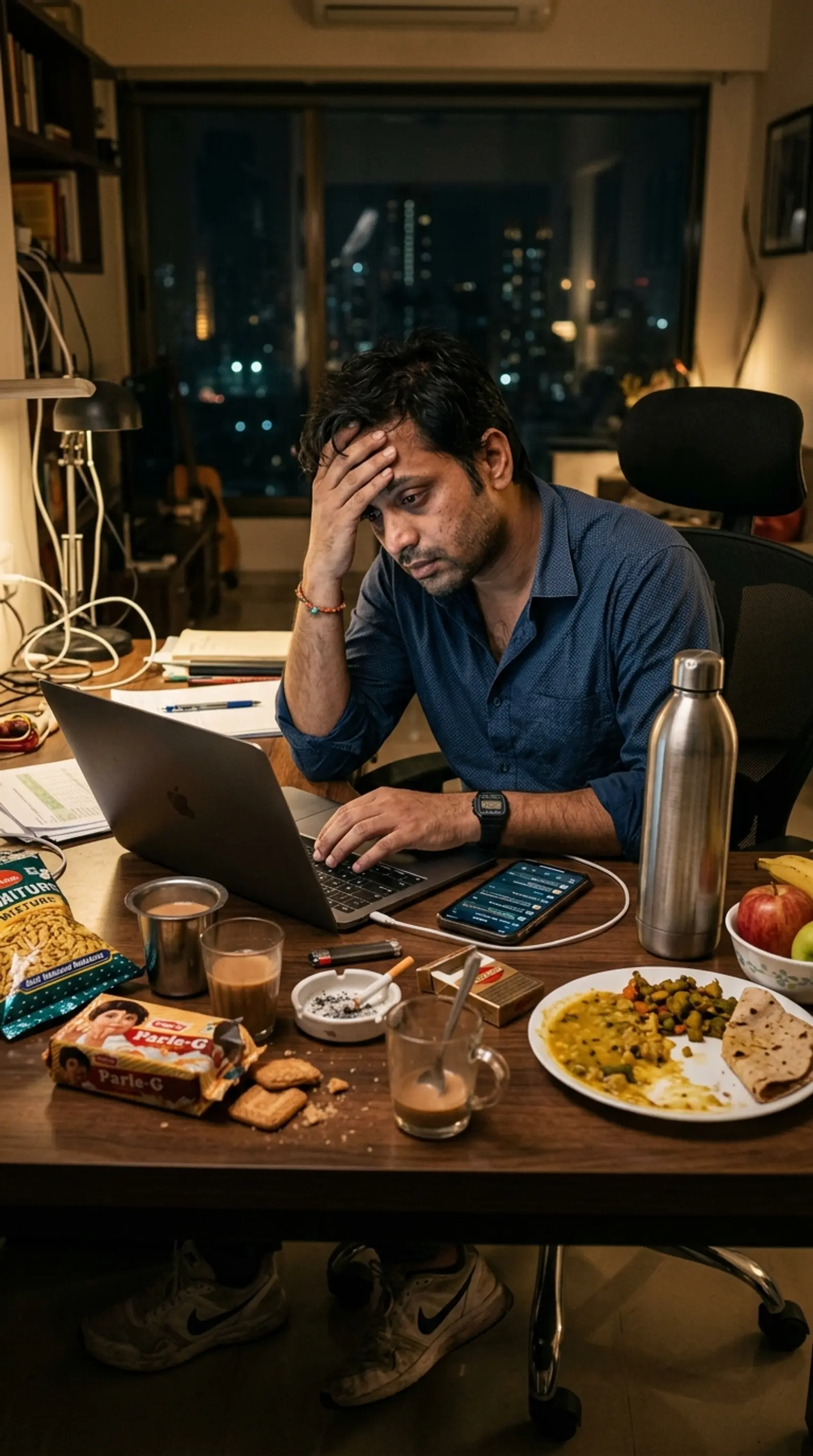
The Indian Stress Loop: Chai, Cigarettes, Sleep Loss and Belly Fat

Many Indian professionals live inside a hidden stress loop driven by excessive chai, smoking, poor sleep, irregular eating, emotional snacking, and chronic stress. This guide explains how these habits interact with cortisol, appetite, insulin resistance, recovery, and belly fat accumulation in Indian lifestyles. Learn the science behind stress-related weight gain, practical Indian nutrition strategies, sustainable recovery systems, sleep improvement, healthier chai routines, and realistic ways to break the cycle without extreme dieting.

Read guide →
16 min readWeight Loss

Why So Many Indians Feel Like Smoking After Meals - and What It Is Actually Doing to Digestion, Blood Sugar, Stress and Belly Fat

Many Indians experience strong cigarette cravings after meals, especially after chai, heavy lunches, social dinners, or stressful office breaks. While smoking may feel calming or digestion-supportive in the moment, nicotine affects digestion, insulin sensitivity, stress hormones, appetite regulation, sleep, and belly fat in ways most people do not fully understand. This comprehensive guide explains the science behind post-meal smoking cravings, the cultural patterns driving the habit in India, the connection between smoking and metabolic health, and practical sustainable strategies to break the cycle without extreme restriction or guilt.

Read guide →
15 min readMuscle Gain

Why Indian Women Feel Tired All the Time: Iron Deficiency, Protein, Stress And Hormonal Health

Persistent fatigue among Indian women is often linked to overlapping factors including iron deficiency, low protein intake, chronic stress, poor recovery, sleep disruption, blood sugar instability, menstrual health challenges, and demanding modern lifestyles. This comprehensive guide explains the science behind low energy, common Indian dietary gaps, hormonal influences, cycle-aware nutrition, sustainable recovery strategies, and realistic ways to improve long-term energy without extreme dieting or unsafe wellness trends.

Read guide →
17 min readMuscle Gain

Why Most Vegetarian Indians Struggle to Hit Protein Goals

Many vegetarian Indians believe they eat enough protein because their meals include dal, curd, or paneer occasionally. However, real-world Indian eating patterns often remain heavily carbohydrate-dominant, with protein intake spread unevenly across the day. This guide explains why protein deficiency is common in vegetarian Indian diets, how Indian thalis can be optimized practically, affordable high-protein Indian foods, common mistakes, protein distribution strategies, and realistic ways to improve muscle health, satiety, recovery, metabolic health, and healthy aging without relying on expensive supplements.

Read guide →
Related Health Tools

Use calculators and planners

Related Recipes

Recipe categories to explore

Related Goals

Connect this topic to outcomes

Frequently Asked Questions

Recovery FAQ

Why does recovery matter for progress?

Recovery allows the body to adapt to training. Poor sleep, stress, and inadequate nutrition can slow progress and increase injury risk.

How much sleep do adults need?

Most adults benefit from seven to nine hours of quality sleep each night for recovery, health, and performance.

Are rest days important?

Yes. Rest days help muscles recover and reduce accumulated fatigue, making future workouts more productive.

Does stretching improve recovery?

Stretching may improve flexibility and comfort, but overall recovery also depends on sleep, nutrition, hydration, and appropriate training volume.

Why do muscles become sore?

Muscle soreness commonly occurs after unfamiliar or challenging exercise and usually improves within a few days.

Next Steps

Balance workouts with recovery and nutrition.

GoFitYatra adapts your plan around fatigue, schedule, habits, training load, and lifestyle constraints.

🇮🇳 Indian meal plans💪 Adaptive workouts🎁 1-month Pragati membership